
Arrest Warrants in Vermillion County
An arrest warrant is a judge's order letting officers take a named person into custody. Vermillion County publishes no local issuance manual. Indiana Code 35-33-5-2 fills that gap. It requires the supporting affidavit to identify the person, allege the offense, and state facts supporting probable cause, subject to statutory exceptions. The statute, the court file, and the signed order supply the reliable framework. Each public office handles its actual duty.
- Search MyCase for a public case and probable-cause or warrant events.
- Call the issuing court for current status, appearance, recall, and bond questions.
- Ask the Circuit Clerk for permitted documents in the official court file.
- Call the sheriff for service, surrender, booking, and custody instructions.
- Use an APRA request for a specific public agency record not available online.
A prosecutor or officer may present the charging and probable-cause material. The Vermillion County court authorizes the warrant, and the sheriff serves it rather than ordinarily issuing it.
Probable Cause in Vermillion County
Probable cause means facts and circumstances that would lead a reasonable person or judge to believe the alleged offense occurred and that the named person is tied to it. It is not a verdict. An affidavit is a sworn written statement placing those facts before the judge. The judge reviews the charging or probable-cause presentation before signing a Vermillion County arrest warrant. The Vermillion Circuit Court page identifies Judge Chris A. Wrede and gives the local court contact, but it posts no step-by-step issuance policy. A public MyCase summary may show a complaint, a probable-cause event, a charge, warrant issuance, and a later return without displaying the affidavit itself. The official file may hold more, subject to access rules. Note: a probable-cause finding only allows the arrest process to begin.
What a Vermillion County Arrest Warrant Contains
A Vermillion County arrest-warrant record shows the legal authority for custody and ties the order to a case. MyCase uses Indiana's uniform case-number structure. A neutral format sample is 83C01-2609-F6-00123, not a real person's file. Public access varies by case type, timing, and judicial restriction.
| Case or warrant number | The court file and any public process identifier; a warrant number may not display online |
|---|---|
| Named defendant | The person the order authorizes officers to arrest; DOB is not public in MyCase |
| Charge and statute | The alleged public offense and classification, unless the case or detail is restricted |
| Judge and date | The issuing authority and date of authorization, subject to pre-service access limits |
| Bond and status | Only terms and events the court or jail states; no county bond schedule was found |
A Vermillion County warrant may hide victim, witness, and address details, and investigative facts can be redacted too. Bond terms come only from the face of that warrant.
Vermillion Arrest-Warrant Records in MyCase
MyCase can trace a Vermillion County arrest warrant without ever showing the signed warrant or affidavit. Start with the chronology. Read from the complaint or probable-cause entry through issuance, then service or return, booking, bond, and later hearings. A recall or quash entry can change what is current while the old issuance line still shows. The newest signed action is the one that matters. Search by exact case number first. Party searches need care. Date of birth can narrow results, but it is not shown in public details. Filter for Vermillion Circuit Court, the correct case type, status, and filing period. The state warns that electronic information is not the official record and may contain errors or omissions. The Circuit Clerk at (765) 492-5350 maintains the official file. Compare the county, court, party role, filing date, and charge before treating a result as the correct Vermillion County case. A common name alone is weak evidence. Results can omit older unconverted files, confidential matters, and documents unavailable to a remote public user. If the chronology stops before the event you expect, ask the clerk what public material exists at the courthouse. If service or custody status is the concern, check the court record against the sheriff's current procedure. That two-source check keeps an old issuance event in Vermillion County from being mistaken for a warrant that was later served or withdrawn.
How Vermillion County Arrest Warrants Are Served
The Vermillion County Sheriff's Office states that the sheriff serves warrants, subpoenas, and other court process. Its office and jail sit at 1888 S. State Road 63 in Hillsdale. The main number is (765) 492-3838. The county names no separate warrant division, warrant sergeant, public warrant email, or counter schedule.
| Agency | Research-supported service role |
|---|---|
| County sheriff | Serves county warrants and handles the Hillsdale custody route |
| Clinton Police | May serve city or local process within its authority; no warrant page is posted |
| Other Indiana agencies | May carry and validate records through nonpublic law-enforcement systems |
| U.S. Marshals | Serve the separate federal or fugitive layer where jurisdiction applies |
Service can happen when officers lawfully encounter the person, at an arranged surrender, or through another authorized process. After arrest, the agency and court control booking, appearance, and release conditions. The county publishes no public service manual.
Vermillion County Criminal-Law Source
The official Indiana criminal-law title lays out the statutory rules for probable cause and warrants that Vermillion County courts apply.
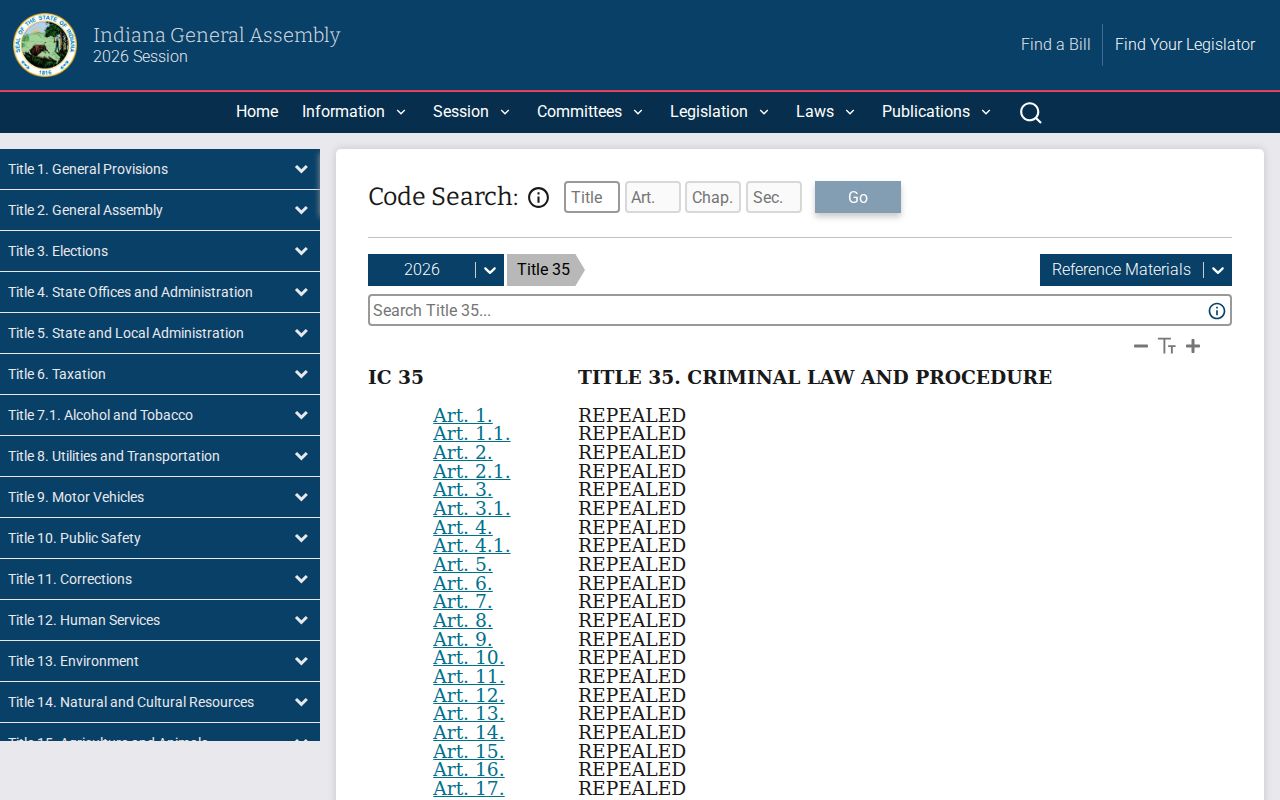
That source is official statutory law, not a private arrest record or wanted-person list. Case-specific facts still come from the issuing court, its public file, and the signed warrant. Read statutory language with current court rules. Also weigh the precise posture of the Vermillion County case.
Arrest Warrant vs Summons vs Bench Warrant
All three forms can appear in Vermillion County criminal or court-related matters. They command different things. They also arise from different events.
| Feature | Arrest warrant | Summons | Bench warrant |
|---|---|---|---|
| Direction | Authorizes custody | Directs voluntary appearance | Authorizes custody after a court duty is missed |
| Basis | Probable cause for an alleged offense | Notice to appear on a charge | FTA, contempt, or noncompliance |
| Response | Counsel, court contact, surrender, and bond as ordered | Appear on the stated date | Ask the existing court about reset, recall, or quash |
Don't swap the labels. A Vermillion County traffic FTA can carry arrest-warrant language under Indiana law while staff call it a bench warrant in ordinary speech. The docket and issuing court control.
Sealed Vermillion County Arrest Warrants
Indiana Access to Court Records Rule 5 lets a judge seal an arrest warrant, search warrant, indictment, or information before service. The reason has to matter. Disclosure could raise flight risk, endanger someone, or wreck an investigation. So silence in MyCase proves nothing about a Vermillion County warrant. A sealed indictment is still a live case.
Access point:
Use counsel or the proper court process when a sealed warrant is possible; a public name search cannot confirm protected law-enforcement information.
Access can widen after an arrest or return, though redactions and other limits may stick. Juvenile cases, birth dates, addresses, and victim or witness identifiers stay restricted in Vermillion County too. APRA cannot override a judicial sealing order.
Request Vermillion County Arrest Records
For a specific public record that is not online, the county's APRA form is the documented route. Pick Sheriff for a service or agency record; pick Clerk's Office for a court-file request. Detail matters on the form. Give the case number, the issuing court, the approximate date, and the exact public item sought, and do not ask Vermillion County to build a broad list it does not keep. Staff need enough description to find the record, the form asks for contact information, and it warns that copy fees may apply. No warrant-specific fee, delivery time, mail route, or certified-copy charge is published, so ask the office directly about costs. An investigative record or a pre-service warrant may be withheld under law. When access is limited, request the legal basis in writing. A records response is still not a status check. For the current status of a Vermillion County warrant, call Vermillion Circuit Court at (765) 492-5320, the Clerk at (765) 492-5350, or the sheriff when service is involved.
What to Do If There's a Warrant for You
Suppose the court confirms a Vermillion County arrest warrant. Write down the court, the case number, the charge, and the newest event. Then call a lawyer before anyone walks into the jail. Counsel can explore an attorney-assisted appearance, voluntary surrender, bond set by the court, and whether a motion to recall or quash is legally available. Vermillion County publishes no bond schedule, surrender form, dedicated walk-in window, or public warrant-unit name, so the court sets those terms case by case. Ask precise questions of the clerk. Is the order still active in the issuing court? Has it been served, recalled, or quashed? Is a hearing set, and must a motion be filed first? Does the court require a personal appearance, and what bond has it set? Remember the division of labor. The Circuit Clerk keeps the file but cannot withdraw a judge's warrant on his own authority. The sheriff explains service or custody procedure but needs the court's recall order before anything ends. Keeping those duties straight prevents a common mistake in Vermillion County: treating a payment, a clerk conversation, or an old search result as final proof of clearance.
Important:
Confirm the warrant and consult an attorney before surrendering; an unplanned arrival can lead to custody without a known bond or release plan.
If the court directs surrender, call the sheriff at (765) 492-3838 first. Confirm the Hillsdale location, the intake procedure, and any bond instructions. Once booking is done, the court and jail control the next appearance and the release terms. Never borrow a bond figure from another case or county. After service, recall, quash, or another resolution, get a signed order or a current docket confirmation. Ask when MyCase and law-enforcement systems will update. The underlying criminal case keeps going unless the court separately disposes of it, because a served warrant alone does not close a Vermillion County case. The Vermillion County warrant records overview lays out the broader court-first response path.